








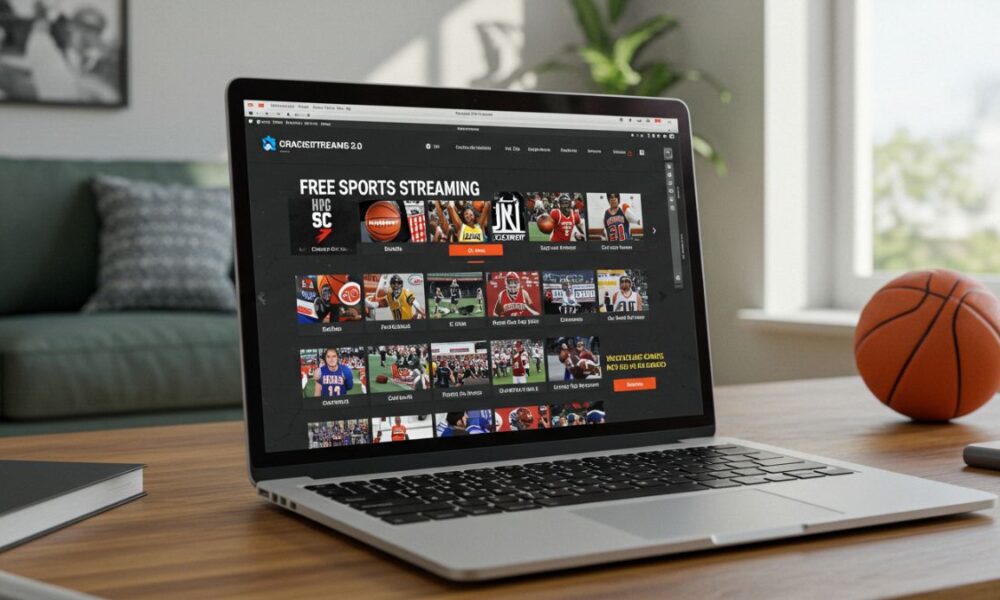
The rise of crackstreams 2.0 has become one of the most debated developments in the digital streaming landscape, not because it introduces new technology in the traditional sense, but because it exposes a widening gap between consumer expectations and the current structure of licensed digital media. In a world where everything from entertainment to sports is increasingly fragmented across paid platforms, crackstreams 2.0 has emerged as a disruptive signal rather than just a website phenomenon.
For startup founders, product builders, and digital strategists, the relevance of crackstreams 2.0 goes far beyond legality. It reflects how users behave when systems become too complex, too expensive, or too restrictive. And in many ways, it highlights the uncomfortable truth: convenience often outweighs compliance in the eyes of the average user.
Understanding crackstreams 2.0 is not about endorsing it, but about decoding what it reveals about modern digital consumption, infrastructure weaknesses, and monetization gaps in the global streaming economy.
What Is CrackStreams 2.0 in Today’s Digital Ecosystem?
At its core, crackstreams 2.0 refers to a new generation of unauthorized streaming platforms that aggregate live sports, pay-per-view events, and entertainment broadcasts without proper licensing. Unlike earlier piracy websites that were often clunky and unreliable, this newer wave has evolved into more structured, user-friendly interfaces that closely resemble legitimate streaming services.
What makes crackstreams 2.0 particularly significant is not just its existence, but its adaptability. These platforms frequently shift domains, replicate interfaces, and rely on distributed hosting models to remain accessible despite enforcement actions.
However, it’s important to understand this phenomenon in context. Crackstreams 2.0 is not an isolated digital threat—it is a response mechanism to market fragmentation, subscription overload, and regional content restrictions that define the modern streaming economy.
Why CrackStreams 2.0 Exists: The Demand Side Reality
The persistence of crackstreams 2.0 is deeply tied to user behavior, not just technology. The modern consumer is overwhelmed by subscriptions. What was once a single cable package has now evolved into dozens of fragmented services, each holding exclusive rights to specific content.
For users, this creates three major friction points: cost, access, and complexity.
Cost is the most obvious barrier. Paying for multiple streaming platforms quickly becomes expensive, especially when sports, entertainment, and regional content are split across different providers.
Access is another issue. Many live events are geo-restricted, meaning users in certain regions cannot legally view content even if they are willing to pay.
Complexity adds the final layer. Constantly switching between platforms, managing subscriptions, and tracking where content is available creates friction that many users are unwilling to tolerate.
In this environment, crackstreams 2.0 becomes less of a novelty and more of a workaround—a simplified, if controversial, solution to an increasingly complex digital ecosystem.
The Technology Layer Behind CrackStreams 2.0
From a technical standpoint, crackstreams 2.0 operates on principles that are ironically aligned with modern distributed systems, albeit used outside legal frameworks.
Instead of hosting content directly, these platforms often function as aggregators. They pull streams from multiple external sources and embed them into a centralized interface. This modular design allows for rapid replacement of broken links and minimizes downtime.
The infrastructure typically includes:
- Distributed hosting across multiple jurisdictions
- Frequent domain rotation to avoid takedowns
- Embedded third-party video players
- Heavy reliance on ad-based monetization networks
This architecture mirrors legitimate cloud-based resilience strategies, but without regulatory compliance or content licensing.
For engineers and product designers, it presents a paradox: technically efficient systems can still operate outside ethical and legal boundaries.
CrackStreams 2.0 vs Legal Streaming Platforms
To better understand the structural differences between crackstreams 2.0 and licensed platforms, consider the comparison below:
| Feature | CrackStreams 2.0 | Licensed Streaming Platforms |
| Content Legality | Unauthorized | Fully licensed |
| Access Model | Free, open access | Subscription or pay-per-view |
| User Experience | Ad-heavy, inconsistent | Polished and optimized |
| Content Stability | Unpredictable | High reliability |
| Security | Potential exposure risks | Strong security protocols |
| Monetization | Advertising-based | Subscription/licensing revenue |
| Customer Support | None | Professional support systems |
This comparison highlights a fundamental tension in digital media: accessibility versus sustainability. Crackstreams 2.0 prioritizes access at all costs, while legitimate platforms prioritize structure, rights, and long-term ecosystem health.
Business Impact and Industry Disruption
The emergence of crackstreams 2.0 has measurable implications for the global media and entertainment industry. Live sports broadcasting, in particular, represents a multi-billion-dollar licensing economy where rights are heavily negotiated and regionally segmented.
Unauthorized streaming disrupts this model by bypassing traditional revenue streams. While this creates obvious financial losses for rights holders, it also signals deeper inefficiencies in the current system.
For example, the fragmentation of content across multiple platforms has unintentionally created demand leakage. Users are not necessarily rejecting paid content—they are rejecting fragmented access models.
From a strategic perspective, this is a classic case of market misalignment. When user demand outpaces system convenience, alternative ecosystems inevitably emerge.
Risks Associated with CrackStreams 2.0
While crackstreams 2.0 may appear attractive to users seeking free access, it comes with significant risks that extend beyond legal concerns.
One of the most pressing issues is digital security. Many of these platforms operate in loosely regulated advertising environments, increasing the likelihood of malicious ads, phishing attempts, and unwanted redirects.
Another risk is reliability. Streams can fail without warning, buffering issues are common, and quality fluctuates significantly depending on source availability. For users accustomed to stable digital products, this unpredictability can be frustrating.
There is also a broader systemic risk. When unauthorized platforms capture large portions of audience demand, they can indirectly affect the financial viability of content creation industries. Over time, this may reduce investment in high-quality productions and innovation.
Lessons for Startups and Digital Product Builders
Despite its controversial nature, crackstreams 2.0 offers important lessons for entrepreneurs and product teams.
The first lesson is frictionless design matters more than almost anything else. Users consistently gravitate toward platforms that minimize steps between intent and outcome. If a legal product introduces too many barriers, users will seek alternatives.
The second lesson is consolidation. Fragmented ecosystems create user fatigue. A unified experience—where users can discover and access content without switching platforms repeatedly—has clear market value.
The third lesson is pricing flexibility. Global audiences do not have uniform purchasing power. Successful digital products often adopt regional pricing strategies or tiered models to accommodate different economic realities.
Finally, crackstreams 2.0 demonstrates that demand rarely disappears. It simply reroutes itself when official channels fail to meet expectations.
The Future of Streaming Beyond CrackStreams 2.0
The continued relevance of crackstreams 2.0 suggests that the streaming industry is still in a transitional phase. The future will likely be shaped by efforts to reduce fragmentation and improve accessibility within legal frameworks.
We are already seeing early movement toward bundled subscriptions, cross-platform licensing agreements, and more integrated content ecosystems. These changes aim to reduce the friction that drives users toward unauthorized alternatives.
On the technology side, innovations such as decentralized content distribution, AI-driven recommendation systems, and dynamic licensing models could reshape how media is delivered and consumed.
For startups, the opportunity lies not in competing with unauthorized platforms, but in addressing the systemic inefficiencies that make them appealing in the first place.
Conclusion
Crackstreams 2.0 is not just a digital anomaly—it is a reflection of structural tension in the global streaming economy. It reveals how users behave when convenience, cost, and accessibility are misaligned with market offerings.
For entrepreneurs, product designers, and digital strategists, the real value in studying crackstreams 2.0 lies in understanding what it represents: unmet demand, fragmented ecosystems, and the constant push for frictionless digital experiences.
The future of streaming will not be defined by unauthorized platforms, but by how effectively the industry learns from them. Those who solve the problems of accessibility, affordability, and user experience at scale will shape the next generation of digital media.