










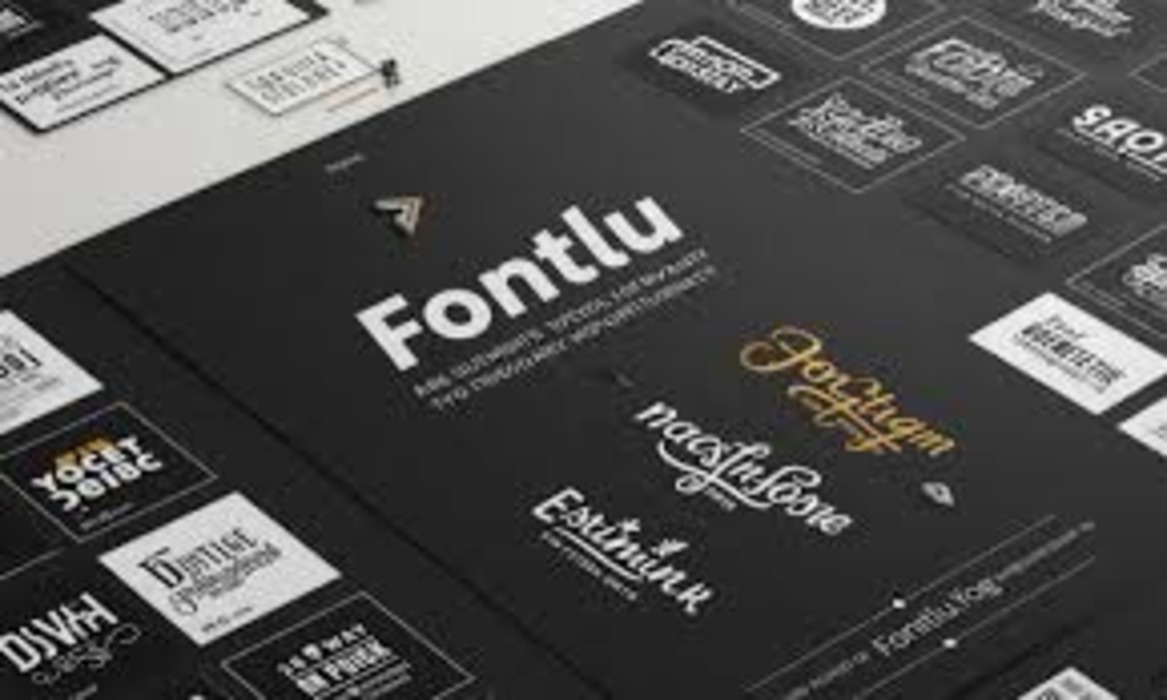
In a digital world where attention spans are shrinking and user expectations are rising, design has quietly become one of the most powerful differentiators for modern businesses. Enter fontlu—a term that’s beginning to surface in conversations among designers, developers, and forward-thinking entrepreneurs. While still evolving, fontlu represents more than just typography; it signals a broader philosophy of how visual language, usability, and brand identity intersect in the digital age.
At its core, fontlu is about intentional design—where typography is not just decorative, but strategic. It blends clarity, emotion, accessibility, and performance into a unified approach that enhances how users interact with digital products. For startup founders and tech professionals, understanding fontlu isn’t just a creative exercise—it’s a competitive advantage.
Understanding Fontlu in a Modern Context
Fontlu can be best described as a design framework that prioritizes typography as a central pillar of user experience. Unlike traditional design approaches that treat fonts as a secondary element, fontlu elevates them into a primary communication tool.
Think about the apps and platforms you use daily. The difference between a seamless experience and a frustrating one often comes down to subtle design choices—spacing, readability, hierarchy, and tone. Fontlu brings all of these elements together into a cohesive strategy.
This concept is particularly relevant in an era dominated by mobile-first design. With smaller screens and diverse user environments, typography must adapt dynamically. Fontlu emphasizes responsiveness, ensuring that text remains readable, visually appealing, and contextually appropriate across devices.
Why Fontlu Matters for Startups and Entrepreneurs
For startups, every detail counts. Limited resources mean that design decisions must deliver maximum impact. Fontlu offers a framework for achieving this by aligning visual identity with user experience.
A well-executed fontlu strategy can:
- Build immediate brand recognition
- Improve user engagement and retention
- Enhance accessibility for diverse audiences
- Reduce cognitive load for users
Imagine launching a SaaS platform where users instantly understand the interface without needing a tutorial. That’s the power of thoughtful typography. Fontlu helps create that intuitive experience.
More importantly, it allows startups to communicate personality. Whether your brand is bold and disruptive or calm and trustworthy, fontlu ensures that your typography reflects that identity consistently.
The Core Principles of Fontlu
Fontlu isn’t a rigid set of rules—it’s a flexible philosophy guided by several core principles. These principles help teams make better design decisions without stifling creativity.
1. Clarity Above All
The primary goal of typography is communication. Fontlu emphasizes legibility and readability over stylistic flair. This doesn’t mean sacrificing creativity, but it does mean ensuring that users can easily consume content.
2. Emotional Resonance
Fonts carry emotional weight. A sleek sans-serif can feel modern and efficient, while a serif font may evoke tradition and trust. Fontlu encourages designers to choose typography that aligns with the emotional tone of the product.
3. Consistency Across Touchpoints
Consistency builds trust. Whether a user is interacting with a website, mobile app, or marketing email, the typography should feel cohesive. Fontlu ensures that this consistency is maintained across all platforms.
4. Accessibility and Inclusivity
Inclusive design is no longer optional. Fontlu incorporates accessibility standards, ensuring that text is readable for users with visual impairments or cognitive challenges. This includes considerations like contrast, font size, and spacing.
5. Performance Optimization
Typography can impact performance more than many realize. Heavy font files can slow down load times, affecting user experience and SEO. Fontlu advocates for efficient font usage without compromising quality.
Fontlu vs Traditional Typography Approaches
To better understand the value of fontlu, it helps to compare it with more traditional design approaches.
| Aspect | Traditional Typography | Fontlu Approach |
| Role of Typography | Secondary design element | Core UX component |
| Focus | Aesthetics | Function + Emotion + Performance |
| Device Adaptation | Often static | Fully responsive |
| Accessibility | Sometimes overlooked | Built-in priority |
| Brand Integration | Partial | Deeply integrated |
This shift reflects broader changes in how digital products are built and consumed. Users expect more, and fontlu is a response to those expectations.
Real-World Applications of Fontlu
Fontlu isn’t just theoretical—it’s already influencing how leading companies approach design, even if they don’t explicitly use the term.
Product Design
In product interfaces, fontlu helps create clear hierarchies. Headlines guide attention, body text delivers information, and microcopy enhances usability. Every piece of text has a purpose.
Branding
Typography is a cornerstone of brand identity. Fontlu ensures that brands are not only visually distinct but also emotionally consistent. This is especially important in crowded markets where differentiation is key.
Content Platforms
For blogs, news sites, and digital publications, readability is everything. Fontlu enhances the reading experience, encouraging users to stay longer and engage more deeply.
E-commerce
In online shopping, trust is critical. Clear, well-structured typography helps users navigate products, understand pricing, and complete purchases with confidence.
Implementing Fontlu in Your Business
Adopting fontlu doesn’t require a complete redesign—it can start with small, strategic changes.
Begin by auditing your current typography. Is it consistent? Is it readable across devices? Does it reflect your brand identity?
Next, define a typography system. This includes selecting primary and secondary fonts, setting size scales, and establishing spacing guidelines. Consistency is key.
Collaboration between designers and developers is also crucial. Fontlu thrives when design intent is accurately translated into code. This ensures that typography behaves as expected in real-world environments.
Finally, test and iterate. User feedback is invaluable. What looks good in a design mockup may not perform well in practice. Fontlu encourages continuous improvement.
The Future of Fontlu
As technology evolves, so will fontlu. Emerging trends like variable fonts, AI-driven design, and personalized user experiences are already shaping its future.
Variable fonts, for example, allow a single font file to adapt dynamically, offering greater flexibility and performance. This aligns perfectly with fontlu’s emphasis on efficiency and responsiveness.
Artificial intelligence is also playing a role. AI tools can analyze user behavior and suggest typography adjustments in real time, enhancing usability.
Looking ahead, fontlu may become a standard framework in design systems, much like responsive design is today. For businesses that embrace it early, the benefits could be significant.
Common Mistakes to Avoid
While fontlu offers a powerful framework, it’s not immune to misuse. Some common pitfalls include:
Overcomplicating typography with too many font styles can create confusion rather than clarity. Fontlu favors simplicity and purpose.
Ignoring accessibility can undermine the entire experience. Even the most visually appealing design fails if it’s not usable by everyone.
Neglecting performance is another mistake. Heavy fonts and poor optimization can slow down your product, frustrating users.
Lastly, inconsistency across platforms can weaken your brand. Fontlu requires discipline and attention to detail.
Why Fontlu Is More Than a Trend
It’s easy to dismiss new design concepts as fleeting trends, but fontlu feels different. It addresses fundamental challenges in digital design—clarity, usability, and emotional connection.
For startups and tech professionals, this is particularly important. In competitive markets, user experience can make or break a product. Fontlu provides a structured yet flexible approach to getting it right.
It’s not about following a trend—it’s about adopting a mindset. A mindset that values intentional design, user-centric thinking, and continuous improvement.
Conclusion: Embracing Fontlu for Smarter Design
Fontlu represents a shift in how we think about typography and its role in digital experiences. It’s no longer just about choosing a font—it’s about crafting a communication system that enhances usability, builds trust, and reflects brand identity.
For entrepreneurs and tech leaders, embracing fontlu can lead to more intuitive products, stronger branding, and better user engagement. It’s a strategic investment in design that pays dividends over time.
As digital landscapes continue to evolve, those who prioritize thoughtful, user-centered design will stand out. Fontlu offers a roadmap for doing exactly that—combining creativity with clarity, and aesthetics with purpose.