








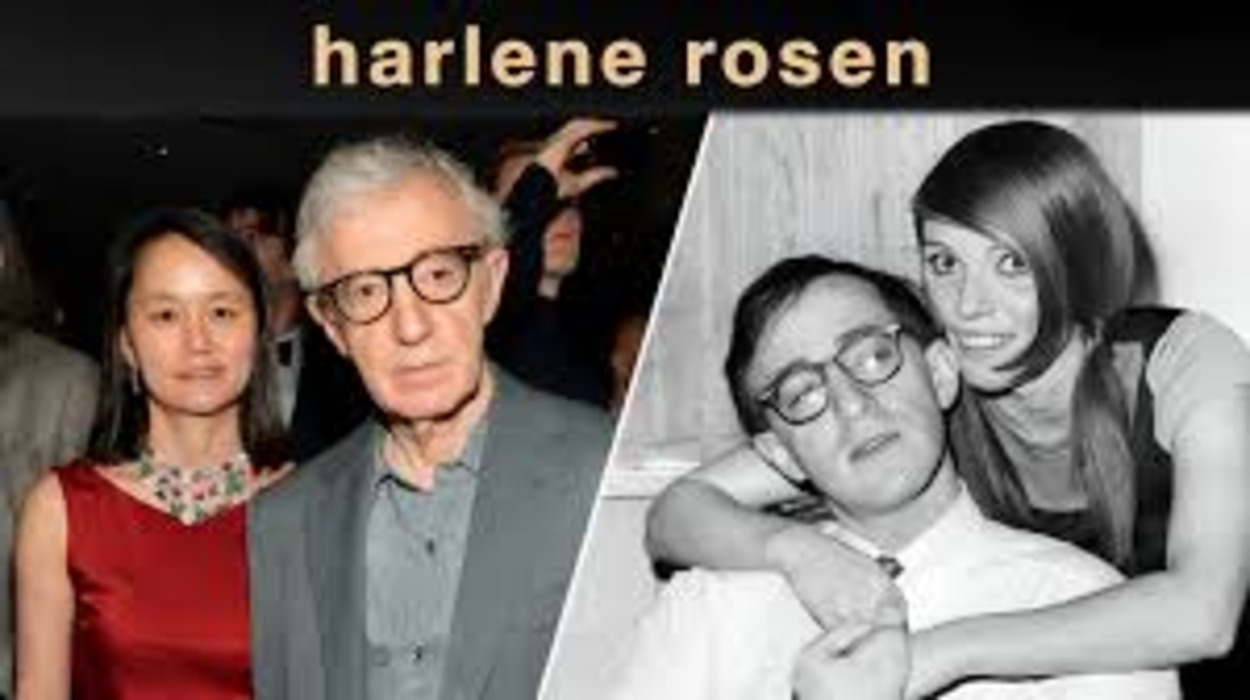
In the vast landscape of Hollywood history, some names remain permanently attached to famous figures while their own stories fade into the background. Harlene Rosen is one of those names. Although many people recognize her as the first wife of filmmaker and comedian Woody Allen, her life represents something far more compelling than a footnote in celebrity history. It is a story about youth, public scrutiny, personal resilience, and the often-overlooked experiences of individuals who find themselves connected to fame.
For decades, Harlene Rosen has remained a subject of curiosity among film enthusiasts, cultural historians, and readers interested in the lesser-known personalities surrounding major entertainment figures. Her decision to step away from public attention has only deepened interest in her story, making her one of the most intriguing private individuals associated with Hollywood’s past.
Who Is Harlene Rosen?
Harlene Rosen became known to the public during the 1950s when she married a young and largely unknown Woody Allen. At the time, Allen had not yet achieved the international recognition that would later define his career. Their relationship began when both were exceptionally young, reflecting an era when early marriages were more socially accepted than they are today.
Born in the United States around the late 1930s, Rosen developed a strong interest in music from an early age. Various accounts describe her as a talented pianist with a passion for the arts. While much of her personal history remains private, her musical abilities reportedly played an important role in her early adult years and contributed to the creative environment she shared with Allen.
Unlike many individuals connected to celebrities, Rosen never actively pursued public recognition. Her story is notable precisely because she chose privacy over publicity, even when media attention could have provided opportunities for interviews, memoirs, or public appearances.
Early Life and Background
One reason Harlene Rosen continues to fascinate readers is the mystery surrounding her early life. Compared to modern celebrity culture, where personal details are widely documented, information about Rosen remains relatively limited.
What is known suggests she grew up in a supportive environment that encouraged artistic expression. Music became a central part of her identity, and she reportedly developed significant piano skills during her youth. These artistic interests later aligned with the creative ambitions of Woody Allen, who was beginning to establish himself as a writer and comedian.
The limited public record surrounding her upbringing has allowed Rosen to maintain a level of dignity and privacy that is increasingly rare in the digital age. In many ways, her story reflects a generation that lived before constant media exposure became the norm.
Harlene Rosen and Woody Allen: A Brief Marriage
The relationship between Harlene Rosen and Woody Allen remains one of the most discussed aspects of her life. The couple married in 1956 when Rosen was still in her teens and Allen was only twenty years old.
At the time, Allen was far from the famous filmmaker he would later become. He was working to build a career in comedy, writing jokes and performing in entertainment circles that offered limited financial stability. Like many young couples, they faced the challenges of balancing personal relationships with career ambitions.
The marriage lasted several years before eventually ending in divorce. While short-lived, the relationship became historically significant because of Allen’s later fame and because aspects of their marriage were incorporated into his comedy routines.
The contrast between Rosen’s desire for privacy and Allen’s public use of personal experiences created tension that would later become an important chapter in both of their lives.
Key Facts About Harlene Rosen
| Detail | Information |
| Full Name | Harlene Susan Rosen |
| Known For | First wife of Woody Allen |
| Profession | Pianist |
| Marriage Year | 1956 |
| Divorce Finalized | Early 1960s |
| Public Profile | Extremely private |
| Notable Characteristic | Maintained privacy despite public interest |
This snapshot highlights how little verified information exists about Rosen, further contributing to public fascination with her life.
The Public Spotlight and Legal Dispute
One of the most significant moments in Harlene Rosen’s story occurred after the end of her marriage. During his early stand-up comedy career, Woody Allen referenced his former wife in various routines. Some of these jokes reportedly portrayed her in ways she found damaging and humiliating.
Rather than remaining silent, Rosen took legal action. She filed a defamation lawsuit against Allen, arguing that his public comments crossed the line between comedy and personal harm.
This legal dispute stands out because it occurred during a period when public figures often enjoyed broad freedom to use personal relationships as material. Rosen’s willingness to challenge a rising entertainer demonstrated a strong sense of self-respect and personal boundaries.
The case remains an interesting example of the ongoing debate about where comedy ends and personal accountability begins. Long before social media amplified discussions about public criticism and personal reputation, Rosen found herself confronting those issues directly.
Why Harlene Rosen’s Story Still Matters
At first glance, it may seem unusual that someone who deliberately avoided fame continues to attract attention decades later. However, Harlene Rosen‘s story resonates because it touches on themes that remain relevant today.
Modern society often focuses intensely on celebrities while overlooking the experiences of those around them. Partners, spouses, family members, and friends frequently become secondary characters in narratives dominated by public figures. Rosen’s experience highlights how those individuals can be affected by fame without ever seeking it themselves.
Her story also raises important questions about identity. How does someone maintain a sense of self when public attention defines them primarily through another person? Rosen’s decision to step away from the spotlight suggests a conscious effort to preserve her own identity rather than becoming permanently associated with someone else’s celebrity status.
For entrepreneurs, founders, and professionals navigating today’s highly visible digital world, there is a valuable lesson here. Personal branding can create opportunities, but maintaining personal boundaries remains equally important. Rosen’s life serves as a reminder that privacy can be a powerful choice.
A Life Away from Public Attention
Perhaps the most remarkable aspect of Harlene Rosen’s story is what happened after the media stopped paying attention.
Unlike many individuals connected to high-profile figures, she did not attempt to leverage her association with Allen into a public career. She did not become a television personality, write bestselling memoirs, or engage in public disputes for attention.
Instead, she largely disappeared from public view.
This decision has generated considerable speculation over the years. Some reports suggest she continued pursuing music privately, while others indicate she simply chose a quieter life away from entertainment circles. Regardless of the specifics, her actions reveal a consistent preference for personal peace over public visibility.
In today’s culture of constant exposure, where social media encourages people to share every detail of their lives, Rosen’s approach feels surprisingly modern. Her commitment to privacy has become one of the defining characteristics of her legacy.
The Enduring Interest in Harlene Rosen
Interest in Harlene Rosen continues because her story intersects with several enduring cultural themes: celebrity, privacy, relationships, and personal resilience.
Readers often seek stories that reveal the human side of famous histories. Rosen offers precisely that perspective. Through her experiences, we gain insight into the personal consequences that can accompany public success and entertainment fame.
At the same time, her story avoids many of the sensational elements typically associated with celebrity narratives. Instead, it presents a quieter but perhaps more meaningful account of someone who chose dignity over attention and independence over publicity.
As new generations discover Hollywood history and explore the lives surrounding influential cultural figures, Rosen’s name continues to emerge—not because she pursued fame, but because she consistently resisted it.
Conclusion
Harlene Rosen remains one of the most intriguing yet private figures connected to Hollywood history. While her marriage to Woody Allen initially brought her into the public eye, her legacy extends far beyond that relationship. Her life reflects resilience, artistic passion, and an unwavering commitment to personal privacy in the face of public curiosity.
In an age when visibility is often treated as success, Rosen’s story offers a different perspective. She demonstrates that stepping away from the spotlight can be just as powerful as standing in it. Decades after her brief connection to celebrity culture, Harlene Rosen continues to captivate readers—not because of fame itself, but because of the grace with which she chose to live beyond it.