









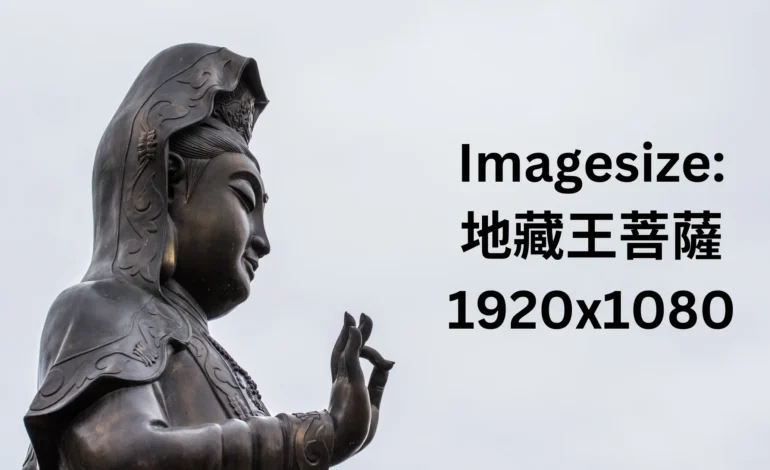
When you search for imagesize:地藏王菩薩 1920×1080, you’re doing more than specifying pixel dimensions—you’re engaging with the intersection of culture, technology, and visual communication. In an era where visual content drives engagement across platforms, understanding how to source, interpret, and use imagery effectively is essential for entrepreneurs, founders, and tech professionals alike. This applies whether you’re designing a landing page, building a brand narrative, or educating an audience about cultural heritage through multimedia.
The term “地藏王菩薩” (Dìzàng Wáng Púsà, commonly rendered in English as Kṣitigarbha Bodhisattva) refers to a venerated figure in East Asian Mahāyāna Buddhism, associated with compassion, protection, and vows to assist all beings. Combining this with 1920×1080, a widely used widescreen resolution, anchors a conversation that is both cultural and technical—how we represent profound symbols effectively in the modern digital ecosystem.
Why Image Dimensions Matter: The Case of Imagesize:地藏王菩薩 1920×1080
Image resolution isn’t just a technical footnote. In a world where attention spans are short and first impressions shape credibility, choosing the right imagesize:地藏王菩薩 1920×1080 matters for clarity, accessibility, and storytelling impact.
1920×1080 is a 16:9 aspect ratio—a standard across devices from laptops to mobile screens and projectors. It ensures visuals display crisply without distortion, maintaining fidelity for both cultural reverence and practical applications like presentations, educational videos, or website banners.
In professional contexts, mismatched resolution can degrade user experience: pixelation weakens trust, unscaled images slow loading times, and inconsistent sizing disrupts visual flow. That’s why terms like imagesize:地藏王菩薩 1920×1080 are critical for designers, developers, and content strategists who need both aesthetics and performance.
Cultural Significance Meets Digital Display
Before diving into technical application, it’s worth understanding who 地藏王菩薩 is and why visual representation matters.
Kṣitigarbha Bodhisattva holds a special place in Buddhist traditions, particularly in East Asia. Often portrayed in serene robes holding a staff and wish‑fulfilling jewel, this bodhisattva symbolizes boundless compassion, especially toward suffering beings. Visual depictions appear in temples, scrolls, and ritual art, where proportions, posture, and symbolic elements carry meaning as deeply as the text.
When you bring such imagery into digital formats—especially at a size like 1920×1080—you are translating that meaning for new audiences. This isn’t just aesthetic; it’s cultural interpretation. The clarity and framing of the image influence how viewers emotionally and intellectually connect with the content.
The Tech Side: Applying Imagesize Correctly
For startups and tech professionals, imagery is an integral part of product experience, branding, and story architecture. Whether in UX/UI design, marketing collateral, or multimedia content, understanding the right imagesize:地藏王菩薩 1920×1080 ensures that visuals serve their purpose effectively.
Here’s a breakdown of how different image sizes compare for common use cases:
| Use Case | Recommended Resolution | Reasoning |
| Website Hero/Banner | 1920×1080 | Ideal for full‑width displays without performance issues |
| Thumbnails/Profiles | 800×450 | Lightweight, faster load times |
| Print/High‑Resolution Display | 3840×2160 (4K) | Detailed visuals for exhibitions or large prints |
| Mobile‑First Content | 1080×608 | Optimized for smaller screens with quick loading |
| Presentation Slides | 1920×1080 | Native resolution for HD projectors and displays |
This table shows why 1920×1080 often emerges as the sweet spot for web and multimedia use: it balances high visual fidelity with performance and compatibility.
Best Practices for Using Cultural Imagery in Digital Projects
Working with culturally significant imagery like 地藏王菩薩 demands sensitivity as well as technical knowledge. Here are guiding principles that apply to professionals of all kinds:
Respect Authenticity
Ensure that the source image reflects accurate representation. This is vital when working with revered figures where semantics and iconography matter deeply.
Optimize Responsively
Deliver variants of your imagesize:地藏王菩薩 1920×1080 asset to match user devices. Tools like responsive images (srcset in HTML) help browsers serve the most appropriate resolution.
Prioritize Accessibility
Always include descriptive alt text. For example: “High‑resolution depiction of 地藏王菩薩 (Kṣitigarbha Bodhisattva) showing traditional iconography on a temple fresco.” This ensures accessibility for users with assistive technologies.
Maintain Performance
Compress images using modern formats (e.g., WebP where supported) to retain quality while reducing file size—crucial for SEO and user experience.
Visual Storytelling and Brand Identity
Images are not neutral. For startups and founders, every visual choice contributes to brand narrative. Using a culturally rich and technically optimal asset like one defined by imagesize:地藏王菩薩 1920×1080 can communicate values such as respect for heritage, commitment to quality, and attention to detail.
But this must be done with intentionality. Injecting cultural visuals requires clear narrative alignment. For example: a wellness app inspired by philosophical traditions might use such imagery to reinforce mindfulness themes, whereas a technical fintech dashboard might not.
Integrating Images at Scale
As organizations grow, so does their content footprint. This necessitates systems that manage media effectively. Modern CMS platforms, digital asset management (DAM) tools, and CDN integration all help ensure that visuals like imagesize:地藏王菩薩 1920×1080 assets load quickly and consistently across geographies.
In practice, this means:
- Tagging assets with metadata (title, context, cultural notes) for easier retrieval.
- Automating responsive transformations (e.g., generating 720p, 1080p, 4K versions on upload).
- Monitoring performance via analytics to understand impact on engagement metrics.
For entrepreneurs and product leaders, these workflows support both efficiency and brand coherence.
Ethical Considerations in Digital Representation
Working with images tied to cultural or spiritual traditions brings ethical dimensions. Ensure proper licensing, avoid distortion of meaning, and, where possible, collaborate with cultural practitioners or scholars to contextualize content.
This isn’t just good practice—it safeguards reputation and fosters trust. In a digital ecosystem fraught with misinformation and insensitive representation, responsible media use becomes a strategic advantage.
Conclusion: Why Imagesize and Cultural Context Matter
The phrase imagesize:地藏王菩薩 1920×1080 encapsulates more than a technical search query—it’s a bridge between technical precision and cultural respect. For digital professionals, startup founders, and tech leaders, understanding how to use and present imagery effectively can elevate products, clarify messaging, and strengthen audience connection.
In a visual economy where attention is a currency and user experience is paramount, mastering both the technical specifications and the cultural resonance of visual assets is a core competency. Whether you’re crafting a dynamic homepage, an educational resource, or a brand story, the thoughtful use of images in the right resolution—like a 1920×1080 depiction of 地藏王菩薩—can be a powerful part of your narrative strategy.