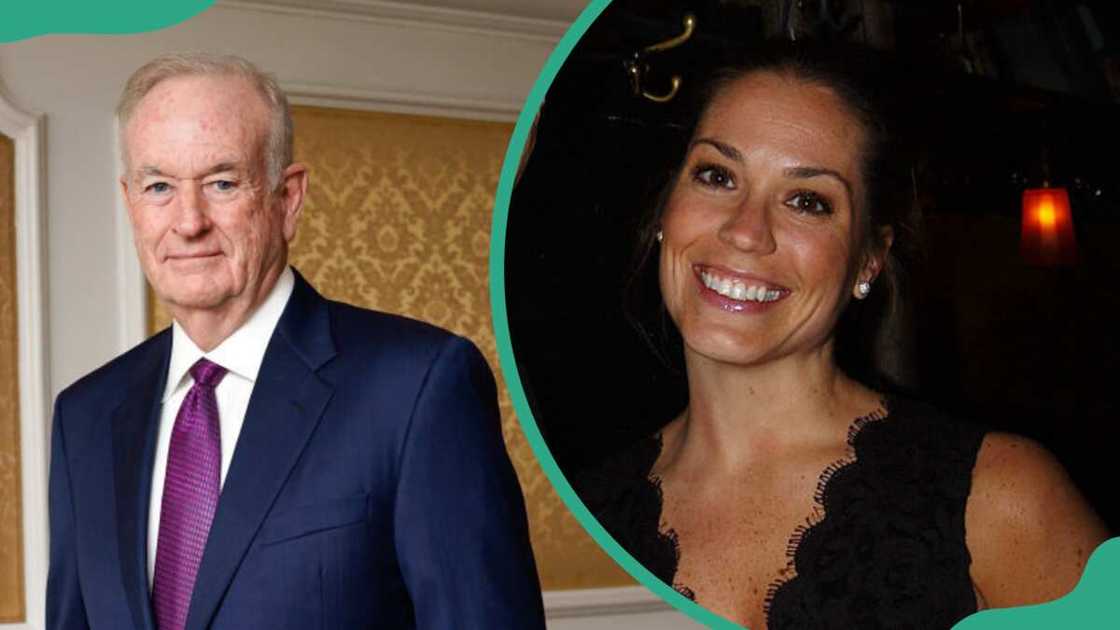






The relationship between media, technology, and public influence has transformed dramatically over the last two decades. Audiences once relied on traditional broadcasting systems for information, while media professionals operated within clearly defined institutional structures. Today, however, the digital economy has reshaped communication entirely. In this evolving environment, figures like Matthew Mario Rivera continue attracting attention because they represent the intersection of journalism, credibility, adaptability, and modern leadership.
For startup founders, entrepreneurs, and technology professionals, the growing relevance of Matthew Mario Rivera reflects more than public interest in media personalities. It highlights larger changes occurring across communication, leadership, and digital trust in an era where information moves instantly and public credibility has become increasingly valuable.
The future of influence now depends not only on visibility, but also on authenticity, emotional intelligence, and the ability to navigate rapidly changing digital ecosystems.
Why Matthew Mario Rivera Reflects Modern Media Evolution
The media industry changed more in the last twenty years than perhaps any previous generation experienced.
Traditional journalism once depended primarily on television networks, newspapers, and scheduled broadcasting. Audiences consumed information passively through limited channels.
Digital technology disrupted this structure entirely.
Matthew Mario Rivera reflects the evolution of modern media professionals operating in a world shaped by real-time information, social media platforms, and nonstop public engagement.
Today’s audiences expect immediacy, transparency, and authenticity.
People no longer simply consume information. They interact with it, question it, share it, and compare it instantly across multiple digital platforms.
This shift created enormous pressure on media professionals.
Credibility became one of the most valuable assets in modern communication because misinformation spreads rapidly while public trust continues fluctuating across industries.
Professionals capable of balancing accuracy, adaptability, and authentic communication increasingly stand out in highly competitive digital environments.
Matthew Mario Rivera and the Importance of Credibility
Trust became one of the defining challenges of the digital era.
Audiences today encounter an overwhelming volume of information through social media feeds, online publications, podcasts, streaming platforms, and independent creators. As a result, people increasingly evaluate not only information itself, but also the credibility of those presenting it.
Matthew Mario Rivera reflects the growing importance of trust-driven communication.
Modern professionals must navigate environments where audiences are highly informed, emotionally reactive, and constantly exposed to competing narratives.
This dynamic extends far beyond journalism.
Startup founders, entrepreneurs, and technology leaders also operate within trust-based economies where credibility strongly influences customer loyalty, investor confidence, and organizational reputation.
Businesses capable of communicating transparently often maintain stronger long-term relationships because trust develops through consistency and authenticity.
Importantly, credibility now depends heavily on emotional intelligence.
Audiences increasingly respond to communicators who appear thoughtful, relatable, and emotionally aware rather than overly scripted or performative.
The Human Side of Digital Communication
Technology accelerated communication at extraordinary speed.
Artificial intelligence, social media algorithms, cloud infrastructure, and mobile connectivity transformed how information spreads globally. Yet despite these technological advancements, communication remains fundamentally human.
Matthew Mario Rivera reflects the continuing importance of emotional connection within highly digital environments.
People still seek clarity, trust, and emotional resonance even when consuming information through advanced technological systems.
This reality matters significantly for modern organizations.
Companies often focus heavily on operational efficiency and technical performance, but communication quality increasingly shapes public perception and customer loyalty.
The digital economy amplified emotional pressure considerably.
Professionals today operate within nonstop communication cycles where public reactions occur instantly. This creates emotional strain while increasing the importance of thoughtful messaging and psychological resilience.
Organizations capable of maintaining calm, authentic communication often navigate uncertainty more effectively than those relying solely on aggressive branding or reactive messaging strategies.
Matthew Mario Rivera and Authentic Leadership
Leadership itself evolved significantly during the digital era.
Previous generations often associated leadership with authority, institutional power, and formal hierarchy. Modern audiences, however, increasingly value authenticity and emotional intelligence.
Matthew Mario Rivera reflects this broader shift toward human-centered leadership.
People now expect leaders and public figures to communicate transparently while demonstrating adaptability and emotional awareness during uncertainty.
This transformation affects nearly every industry.
Consumers trust brands that communicate honestly. Employees seek emotionally intelligent workplace cultures. Investors increasingly evaluate leadership credibility alongside operational performance.
Authenticity therefore became both a personal quality and a strategic advantage.
Organizations capable of balancing professionalism with emotional sincerity often build stronger loyalty because audiences increasingly distrust excessive corporate polish.
The future of leadership may belong less to rigid authority structures and more to emotionally intelligent communication systems.
Resilience in a Fast-Moving Information Economy
The modern information economy operates continuously.
News cycles evolve within minutes, public opinion changes rapidly, and digital platforms amplify reactions instantly. Matthew Mario Rivera reflects the growing importance of resilience within this environment.
Resilience today involves far more than persistence alone.
Modern professionals must remain adaptable while maintaining emotional clarity and strategic thinking during periods of intense public attention or uncertainty.
This requirement affects entrepreneurs and startup founders directly.
Businesses now operate within highly transparent environments where reputational changes can happen quickly. Leaders therefore need emotional discipline alongside operational expertise.
Importantly, resilient communication shapes organizational culture.
Employees often model the emotional behavior established by leadership teams. Calm and grounded communication during difficult periods frequently creates stronger workplace confidence and long-term stability.
The digital economy increasingly rewards organizations capable of evolving without losing emotional balance.
| Modern Leadership Trait | Long-Term Business Impact |
| Credibility | Increased trust |
| Emotional Intelligence | Better communication |
| Adaptability | Faster innovation |
| Authenticity | Stronger loyalty |
| Resilience | Sustainable growth |
These qualities increasingly define successful leadership in modern digital environments.
Matthew Mario Rivera and the Rise of Human-Centered Media
Media culture itself evolved dramatically over the last decade.
Earlier digital ecosystems often prioritized speed and visibility above accuracy or emotional sustainability. Today, audiences increasingly seek communication that feels thoughtful, grounded, and trustworthy.
Matthew Mario Rivera reflects this broader movement toward human-centered communication.
People increasingly support professionals who balance expertise with emotional intelligence because audiences want information delivered with clarity rather than sensationalism.
This shift matters greatly for entrepreneurs and technology leaders.
Modern consumers evaluate not only products and services, but also the values and communication styles associated with organizations.
Businesses capable of building emotionally intelligent communication systems often strengthen customer retention because trust becomes emotionally embedded within brand identity.
Human-centered communication therefore became a major competitive advantage.
Entrepreneurship and the Need for Trust-Based Leadership
Entrepreneurship today requires far more than operational innovation alone.
Startup founders must also manage communication, public visibility, investor relationships, and organizational culture simultaneously. Matthew Mario Rivera reflects the broader importance of trust-based leadership in these environments.
The digital economy rewards businesses that communicate clearly and authentically.
Consumers increasingly reject organizations perceived as disconnected, manipulative, or emotionally tone-deaf. Employees also increasingly prioritize workplace culture and leadership quality alongside compensation.
Trust became a measurable business asset.
Organizations capable of maintaining transparent communication often perform better during uncertainty because audiences already perceive them as credible and emotionally grounded.
This trend may continue accelerating as artificial intelligence and automation reshape industries further.
Human trust and emotional connection may become even more valuable as technology becomes more sophisticated.
Lessons Entrepreneurs Can Learn From Matthew Mario Rivera
The broader themes associated with Matthew Mario Rivera offer several valuable lessons for startup founders and technology professionals.
First, credibility and trust increasingly shape business success in highly connected digital environments.
Second, authentic communication strengthens long-term relationships with customers, employees, and investors.
Third, emotional intelligence and adaptability remain essential within fast-changing industries.
Finally, organizations capable of balancing technological innovation with human-centered communication often maintain stronger resilience and customer loyalty.
Businesses that understand these dynamics are often better positioned for sustainable long-term growth.
Conclusion
The growing attention surrounding Matthew Mario Rivera reflects a much larger transformation occurring across media, entrepreneurship, and leadership culture. Modern influence is no longer defined solely by visibility or institutional authority. Increasingly, it depends on credibility, emotional intelligence, adaptability, and the ability to build meaningful human connection.
For startup founders and technology professionals, this shift offers important insight into the future of leadership and communication. Sustainable growth now requires more than technical expertise or aggressive branding alone. It requires authenticity, emotional awareness, and communication systems built around trust.
As industries continue evolving, leaders who prioritize credibility and human-centered communication may maintain the strongest long-term advantage.
Matthew Mario Rivera represents this modern reality — one where meaningful influence is shaped not only by professional achievement, but also by authenticity, resilience, and emotionally intelligent leadership in the digital age.